Hemp diseases
Common cannabis diseases and how to recognize them
Cannabis diseases can develop unnoticed but spread rapidly, so early diagnosis is key to preserving your crop. Problems most often start with high humidity, improper watering, poor ventilation, and low sanitation. Below we will look at the most common threats, their symptoms, and the factors that cause infection.
Mold on cones: the silent killer of crops
One of the most dangerous diseases is mold on buds, or botrytis. It affects buds from the inside, so growers often notice the problem at a late stage. The main signs are:
• gray or white fluffy coating between flower cups;
• darkening or softening of parts of the bud;
• unpleasant musty odor;
• rapid destruction of flowers when touched.
Mold develops in conditions of humidity above 60–65% and poor air circulation. Dense indica-dominant buds are particularly vulnerable.
Powdery mildew on hemp: a white coating that cannot be ignored
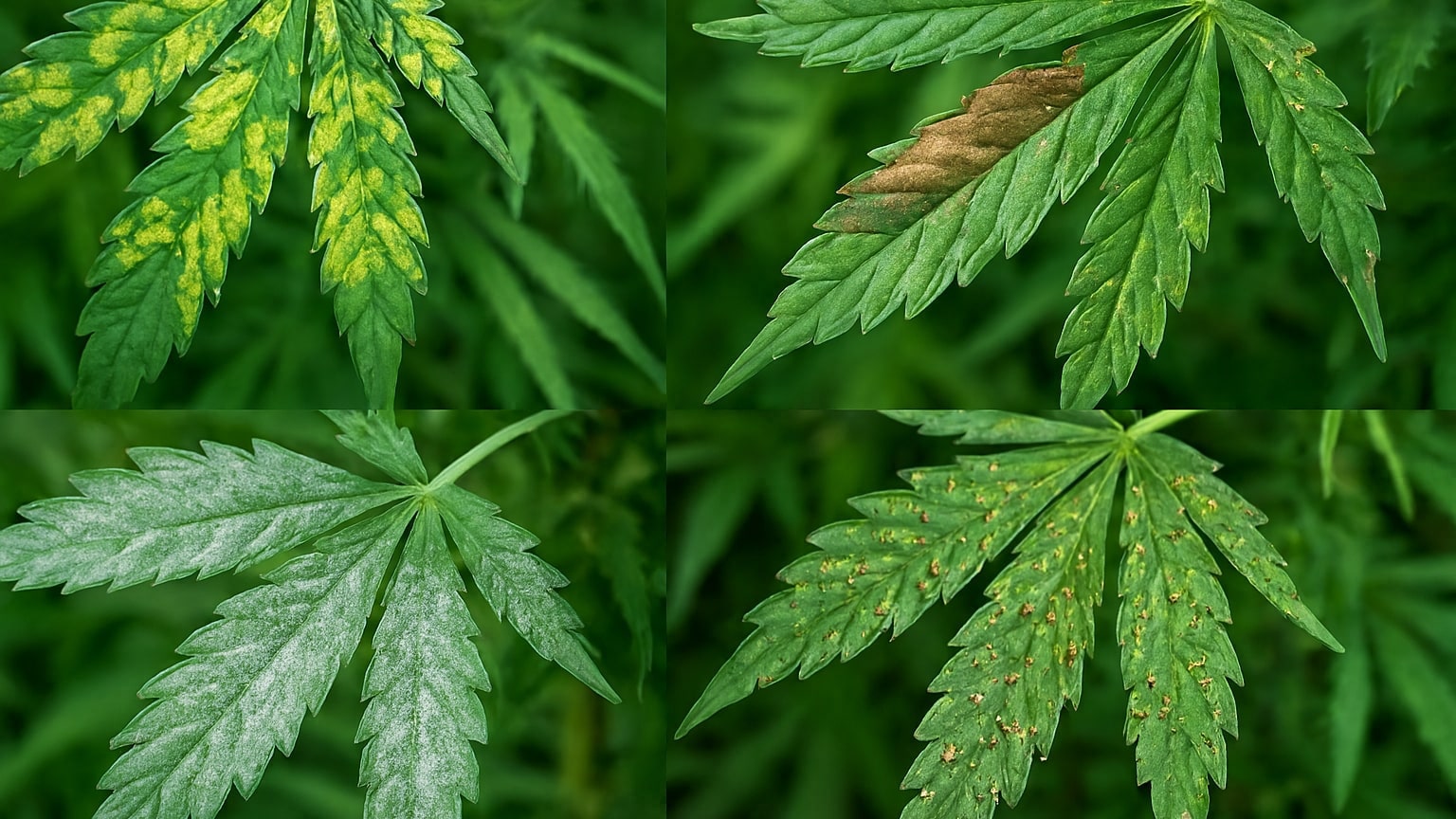
Powdery mildew on hemp appears as white “powdery” spots on the leaves, which gradually merge into a continuous layer. If the disease is not stopped, the coating spreads to the petioles and flowers, inhibiting photosynthesis and reducing crop quality.
Characteristic signs:
• white or grayish powder on the surface of the leaves;
• curling of the leaf edges;
• slowdown in bush growth;
• yellowing or browning of the affected areas.
The disease most often develops during sudden temperature changes, high humidity, and poor ventilation.
Viral diseases of hemp: deformation and poor growth
Viruses are dangerous because they cannot be treated. The plant can only be isolated to stop the spread to other bushes.
Main symptoms:
• mosaic or striped patterns on the leaves;
• uneven growth of shoots;
• twisting of foliage;
• reduction in THC content and yield.
Marijuana pests: who threatens plants and how to stop infestation in time
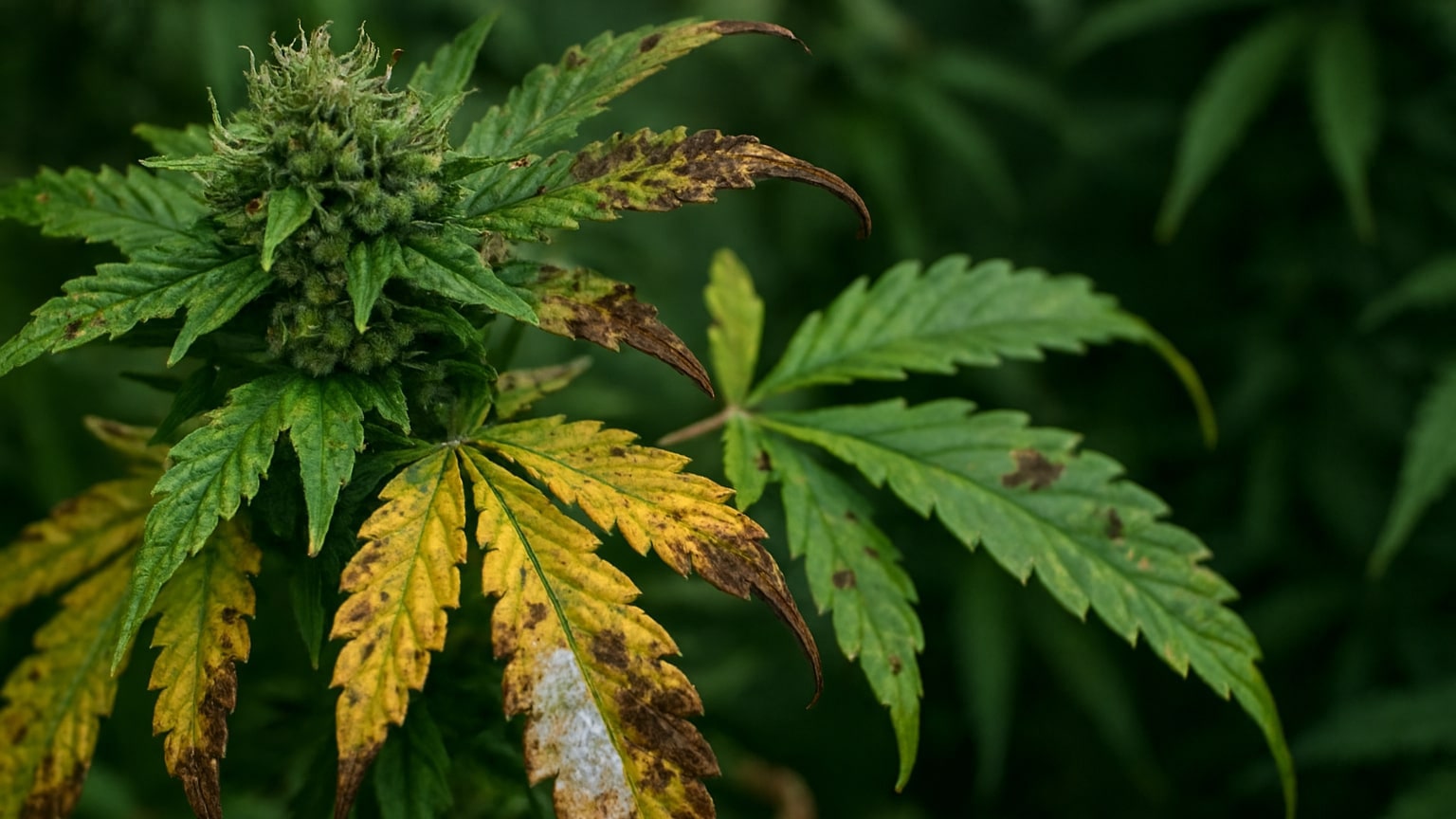
Marijuana pests pose no less of a threat than fungal or viral infections. They feed on plant juices, disrupt tissue function, weaken immunity, and become carriers of disease. If the grower does not notice the problem in time, pests can destroy a significant portion of the crop in just a few days. Below is a detailed description of the most dangerous insects, methods for identifying them, and the first steps to take to protect your plants.
Spider mites on hemp: a micro-pest causing enormous damage
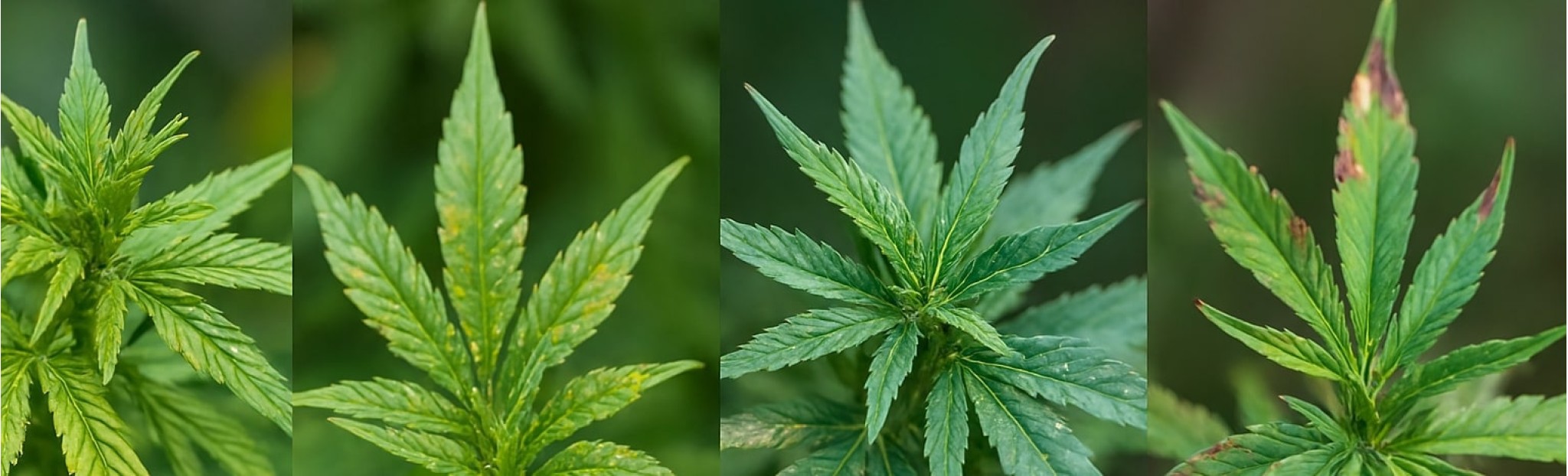
Spider mites on hemp are one of the most common and destructive pests. They are difficult to see with the naked eye, but the consequences of their presence are immediately apparent.
Characteristic signs of plant infestation:
• tiny white dots on the surface of the leaves — bite marks;
• thin silvery webs between the leaves and petioles;
• yellowing and marbling of the leaf blade;
• drying out and falling off of affected foliage.
Thrips on cannabis: rapid spread and hidden damage
Thrips on cannabis are small, elongated insects that move quickly and hide in the folds of leaves. They pierce cells and suck out sap, leaving characteristic marks.
Signs of thrips attack:
• silver or light stripes on leaves;
• small black dots — their excrement;
• thinning and deformation of the leaf blade;
• slow growth of bushes.
Thrips often appear in poorly maintained grow boxes with poor ventilation and high planting density. In addition, they are carriers of viral diseases of cannabis, which makes them even more dangerous.
Whitefly — an inconspicuous but voracious pest
The whitefly is a small white butterfly that looks like a moth. Its larvae are the most harmful, as they attach themselves firmly to the underside of leaves and suck out the sap.
The main signs of infestation are:
• small white flies that take flight when the plant is touched;
• sticky coating (honeydew) on the leaves;
• yellowing and shedding of affected areas;
• appearance of sooty mold on sticky secretions.
Whiteflies reproduce particularly actively in greenhouses and enclosed spaces, where temperatures are high and there are no natural predators.
Secondary consequences of pest infestations
Pest attacks can lead not only to reduced yields, but also to other problems:
• the development of fungal infections in marijuana on damaged tissues;
• deterioration of photosynthesis due to the destruction of chlorophyll;
• accelerated wilting or stunted growth;
• increased vulnerability to mold and root rot.
How to save your harvest from pests: control methods
If pests have already appeared, it is important to act immediately. There are several effective ways to stop the infestation:
• Insecticides for marijuana
Systemic and contact preparations are used against mites, whiteflies, and thrips. They act quickly and help stop mass infestation.
• Biological plant protection products
Products based on bacteria, entomopathogenic fungi, and natural extracts are safe for buds and useful for preventive purposes.
• Organic control methods
Suitable for mild infestations:
• garlic infusion,
• tobacco solution,
• neem oil,
• soap solutions.
They reduce the pest population and help prevent their return.
Marijuana plant treatment and disease prevention: step-by-step crop protection
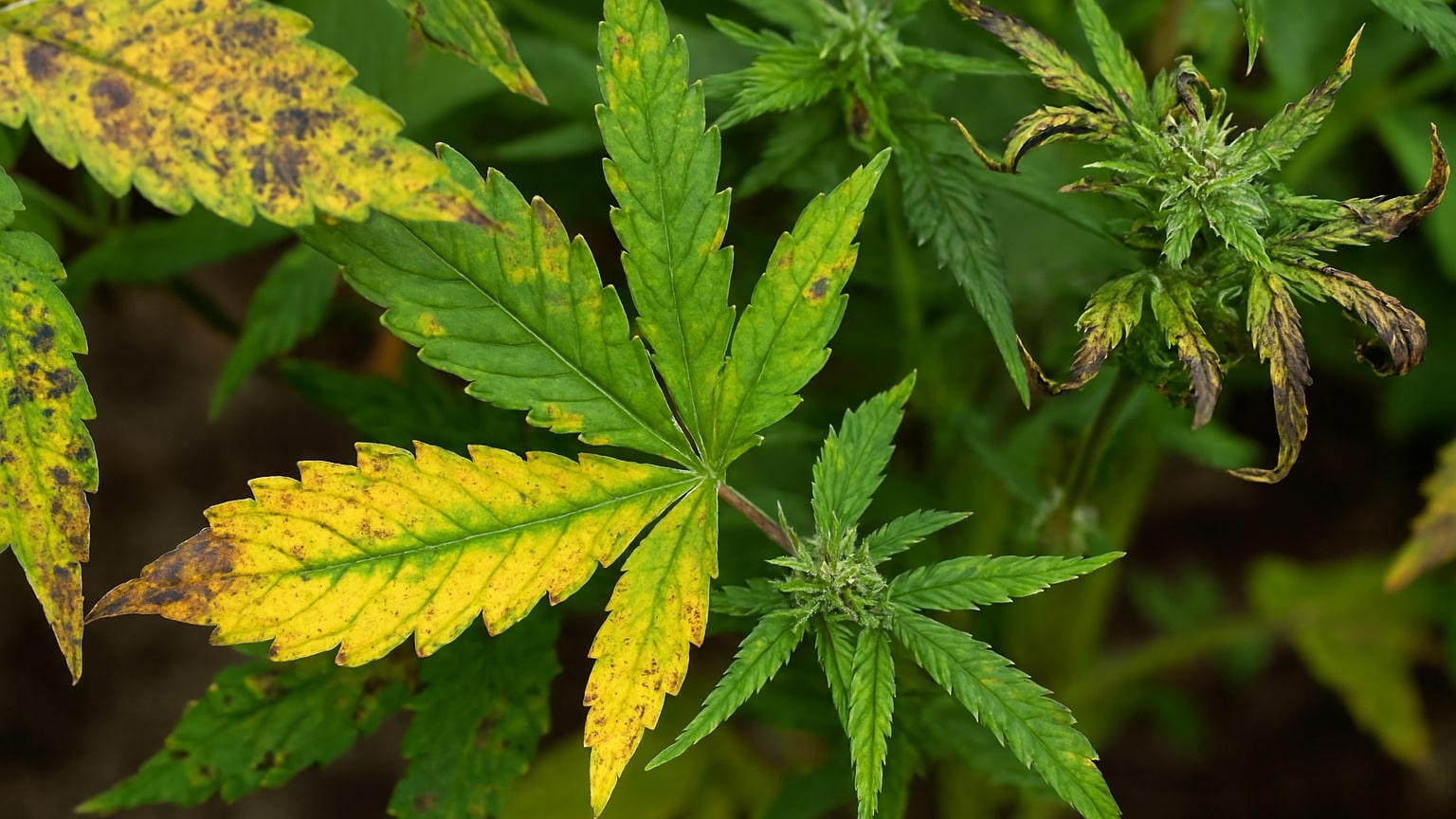
Effective treatment of marijuana plants begins with proper diagnosis. The sooner the grower identifies the cause of the problem—fungus, insects, or virus—the higher the chance of saving the plants and getting a stable harvest. Below are detailed treatment methods, suitable medications, prevention strategies, and care rules that help avoid reinfection.
Treatment of fungal diseases: how to stop mold and mildew
Fungal infections in marijuana are among the most common diseases. They develop rapidly, especially in conditions of high humidity. Two types of preparations are used to combat them: chemical fungicides and biological agents.
Fungicides for mold:
• copper-containing preparations;
• sulfur evaporators for grow boxes;
• systemic fungicides for deep penetration.
Biological agents:
• Trichoderma;
• Bacilli (e.g., Bacillus subtilis);
• Natural antagonists of fungi.
Pest control: targeted and comprehensive treatment
When pests appear, it is important to determine exactly what has attacked the plants: mites, whiteflies, or thrips, as the treatment method will differ.
Insecticides for marijuana:
Used in cases of severe infestation. They affect the nervous system of pests or block their life cycle. This is a fast and reliable way to stop mass spread.
Biological products for plant protection:
• preparations based on fungal spores that attack pests;
• entomopathogenic nematodes;
• microbiological soluble powders.
Organic control methods:
Used in the early stages of infestation:
• green soap solution;
• neem oil;
• pine needle extract;
• garlic and onion infusions.
These reduce the pest population and help avoid chemical treatment.
After treatment, it is important to thoroughly rinse the leaves, check the substrate, and remove damaged parts of the plant to prevent re-infestation.
Treatment of root and viral diseases
Root rot in plants can be treated by regulating moisture levels and improving substrate aeration. Common methods include:
• transplanting into fresh, light soil;
• adding perlite and coconut fiber;
• treating the root zone with biofungicides;
• reducing the frequency of watering.
Preventing plant diseases: the foundation of healthy growing
Prevention is the best way to protect plants from diseases and pests. Growers use a set of measures that provide plants with strong immunity and minimize the risk of infection.
What constitutes proper prevention:
• stable humidity level of 45–60%;
• good ventilation and air circulation;
• regular treatment with biological products;
• sterilization of tools before use;
• removal of plant debris and old leaves;
• temperature control in the range of 20–28°C;
• use of high-quality planting material;
• quarantine for new plants.
Additional protection is provided by fortifying solutions and organic stimulants, which increase resistance to infections.